|   | Kifkon. It's Sunday — time to sit back with your coffee and catch up on everything that happened in Lebanon this week. The Rome talks between Lebanon and Israel reached their seventh round, producing a shortlist of countries that could verify Hezbollah's disarmament — while a security source revealed Hezbollah has a three-tier military structure designed to shield its core arsenal from exactly that process. In Washington, a bipartisan Senate bill paired new sanctions on Hezbollah's financiers with fresh support for the Lebanese Armed Forces. And six years after the port explosion killed at least 235 people, another August 4 passed with accountability still nowhere in sight. Here's the full week. |
|
Which two U.S. senators introduced the Lebanon Sanctions, Stabilization and Support Act? Scroll to the bottom for the answer — or play all 10 at sobhiye.news/games/news-quiz |
| | - Rome Talks Inch Forward: Lebanon and Israel wrapped up the latest round of talks in Rome this week, producing a shortlist of countries that could send troops to verify Hezbollah's disarmament — with the U.S. set to make the final selection. Lebanon rejected private security firms for the role. The next round was set for early September.
- U.S. Senators Back Lebanon Bill: Senators Jeanne Shaheen and James Lankford introduced the bipartisan Lebanon Sanctions, Stabilization and Support Act on Friday, pairing targeted sanctions on Hezbollah's financiers with security assistance for the Lebanese Armed Forces. The bill aims to help the Lebanese state establish a monopoly of force and disarm Hezbollah.
- Trump Tried to Call Hezbollah: A Middle East Eye exclusive revealed that Trump called Lebanon's ambassador in Washington in late May, demanding direct contact with Hezbollah — a request the group refused. Lebanese officials reportedly scrambled to find a Hezbollah number, while the group's standing policy has long been to reject all direct American outreach.
- Hezbollah vs. Salam, Again: Critics accused Lebanon's leadership of helping Israel, prompting PM Nawaf Salam to respond — saying those who unilaterally dragged Lebanon into war gave Israel its greatest advantage. The public clash underscored deepening tensions between the government and its critics.
- Solidere Faces Hard Conditions: The Lebanese government formally opened negotiations with Solidere this week over the company's request for a 25-year extension beyond its 2029 expiration — but attached steep conditions. These included independent financial audits, performance benchmarks, phased timelines, updated tax frameworks, and completion of key public projects like Martyrs' Square and the Hariri seaside park.
- August 4 Anniversary, Still No Justice: Six years after large quantities of ammonium nitrate killed many people and devastated Beirut, the port explosion case remains stuck in procedural limbo. Judge Tarek Bitar referred the file to the Court of Cassation in March, but victims' families say accountability feels as distant as ever, with around 70 arrest warrants still unexecuted.
- Journalist Killing Called War Crime: Amnesty International and Legal Agenda both concluded this week that Israel's April 22 killing of journalist Amal Khalil in Tiri, southern Lebanon, must be investigated as a war crime. Investigations found Israel targeted her despite knowing her civilian status, and delayed rescue teams for nearly 105 minutes after the strike.
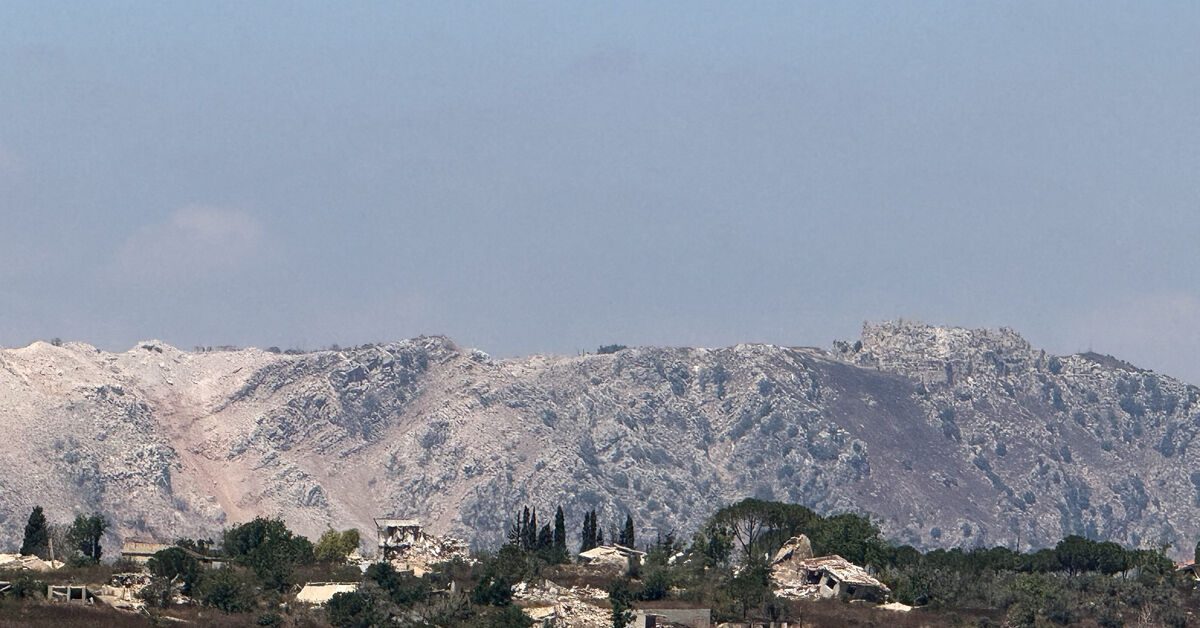
- Khiam Prison Razed: Israel bulldozed the Khiam detention facility — a site where more than 3,500 people were held between 1985 and 2000 — and built a military post on its ruins during the 2026 war. Former detainee Souha Bechara and other survivors told Al-Madina that erasing the site was an attempt to erase Lebanese memory that will not succeed.
- Riyadi Wins the Title: Riyadi Beirut clinched the 2025–2026 Lebanese basketball championship, beating Hekmeh 100–79 in the final. The win coincided with a Guinness World Record for Riyadi star Ismail Ahmad, who at 49 years old became the oldest active professional basketball player in the world.
- Hezbollah's Three-Tier Arsenal: A Lebanese security source revealed that Hezbollah classified its southern Lebanon positions into three military tiers — from deep command-and-control tunnels to easily replaceable outposts. The tiered structure, reported by Aram News, suggests the group could allow army access to lower-tier sites while shielding its core military infrastructure from verification efforts.
|
|
That's your week in review. Rest up — we'll be back in your inbox tomorrow morning. |
Lebanon news, every weekday morning. Free, sharp, ~5 minutes. |
|
|
|
|